
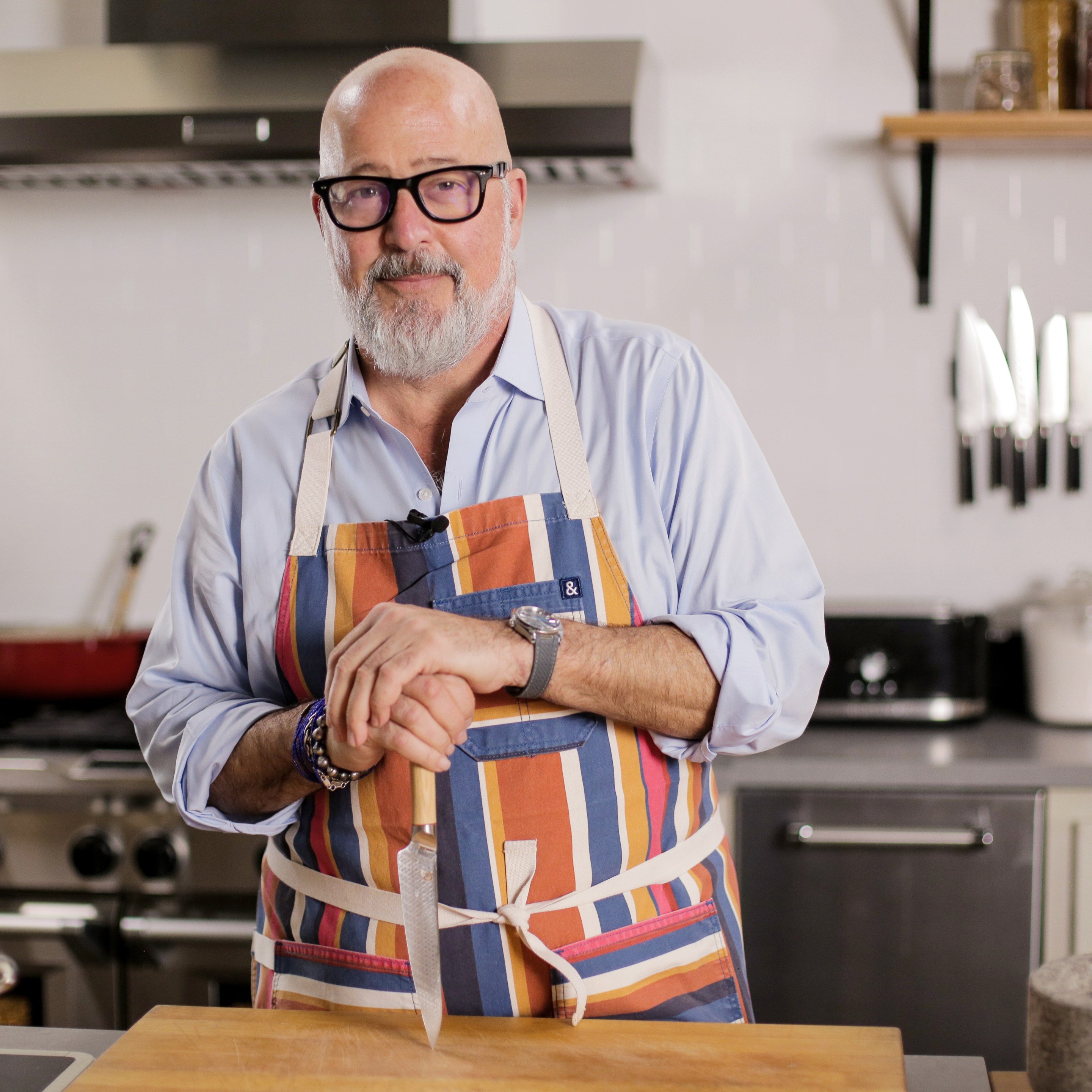
Andrew Zimmern has spent decades proving that food can be a powerful force for cultural understanding and social change. An Emmy-winning and James Beard Award-winning television host, chef and food advocate, he brings boundless curiosity and deep empathy to his exploration of global cuisine on his acclaimed shows, including the Bizarre Foods franchise, The Zimmern List, What’s Eating America, Family Dinner, and Wild Game Kitchen. His work extends far beyond television into restaurants, publishing, and philanthropy, all driven by his conviction that shared culinary experiences can bridge divides and create lasting change. The views expressed are his own.
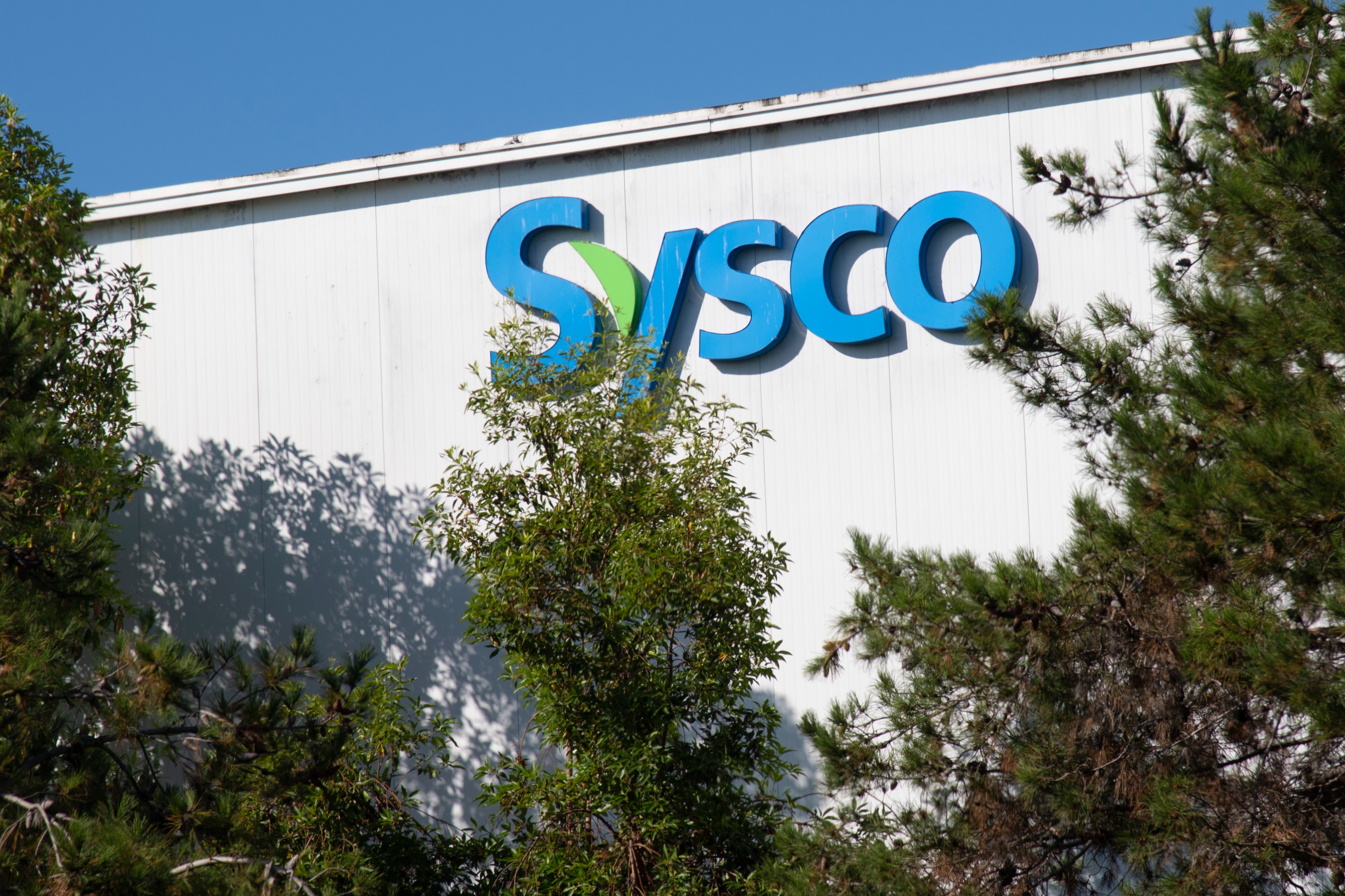
Today’s restaurant business depends on margins so thin they can be shaved with a paring knife. What keeps independent operators alive is not abundance, it’s friction. The ability to compare prices. To pivot suppliers. To walk into a warehouse with a cart and buy what you need without asking permission from a corporate sales rep. That is why Sysco’s proposed acquisition of Restaurant Depot is not some dull antitrust story buried in the business pages. It is a direct threat to the economic survival of independent restaurants across America.
The Independent Restaurant Coalition (IRC), which I helped co-found during the darkest days of the pandemic, is urging the FTC to block Sysco’s proposed $29.1 billion acquisition of Restaurant Depot. More than 1,000 operators have already signed the coalition petition opposing the merger, and the IRC has launched a national operator survey so the FTC can hear directly from the businesses that will bear the consequences of this consolidation.
To understand why this matters, you have to understand how restaurants actually function in the real world, not in corporate PowerPoint decks. Independent restaurants buy from everywhere. Farmers. Fisherman. Regional dairies. Specialty importers. Tiny purveyors with one truck and a prayer. The basic infrastructure of a kitchen—cooking oil, flour, cleaning products, takeout containers, tools, cooking equipment, or paper goods—comes from two places. Broadline distributors like Sysco corporation and cash-and-carry wholesalers like Restaurant Depot.
These two systems compete with one another. Or at least they did.
Restaurant Depot has been the great equalizer in American food service. No velvet rope. No purchasing contract. No minimums. No account executive deciding whether your tiny neighborhood restaurant matters enough to get decent pricing. You walked in, got what you needed, loaded your own van and got back to work. For tens of thousands of operators, especially small immigrant-owned restaurants, family-run diners, food trucks, delis, barbecue joints, taquerias, and neighborhood taverns, it has been the emergency valve that keeps larger distributors in check when it comes to pricing.
Now, Sysco wants to own both sides of that equation.
The company already controls an enormous percentage of the broadline distribution market in the United States. Depending on the category and region, estimates place Sysco’s market share around 17–20% nationally, making it by far the dominant player in food-service distribution. Its scale already gives it extraordinary leverage over pricing, purchasing, and supplier relationships. Absorbing Restaurant Depot would extend that dominance into the one meaningful nationwide cash-and-carry alternative left standing.
Let us retire the fantasy that these businesses do not compete with one another. Any chef, owner, or operator reading this knows exactly how absurd that claim is. Restaurants constantly comparison-shop between Sysco deliveries and Restaurant Depot aisles. We buy fryer oil from one, paper goods from another, proteins somewhere else, and race across town because limes suddenly doubled in price overnight. That substitution behavior is called competition. Removing one side of it is textbook consolidation.
I believe the timing could not be worse.
Independent restaurants are already being crushed by rising insurance costs, labor shortages, higher utility costs, volatile commodity pricing, unresolved immigration reform, climate disruptions affecting agriculture, tariff fallout, shrinking consumer spending, and a financial environment where surviving month-to-month increasingly feels like trench warfare. American farms are failing in historic numbers, and the war in Iran is playing havoc with many pillars that support food systems. Restaurants that survived COVID are now being strangled by the cumulative effects of consolidation across nearly every layer of the food system.
I believe that is the larger issue here. This is not only about restaurants. It is about what happens when every American industry becomes controlled by a shrinking number of massive corporations whose efficiencies are achieved through reduced competition, reduced resilience, and reduced choice. The language that executives use is always antiseptic: “synergies,” “optimization,” “integrated procurement.” What it means in practice is fewer options and higher prices for everyone downstream.
Sysco has projected hundreds of millions of dollars in annual savings through procurement synergies after the acquisition. That should not reassure regulators. That should alarm them. Those savings come from market power. From scale so massive, that suppliers cannot push back and smaller competitors cannot survive.
Neighborhood restaurants are not interchangeable retail units. They are civic infrastructure. They employ millions of people. They anchor communities. They create street life, culture, memory, and local identity. Every time consolidation squeezes another independent operator out of business, America becomes more homogenized, more fragile, and frankly, more boring.
The FTC should recognize this merger for what it is: an attempt by the nation’s largest food service distributor to eliminate the primary competitive check on its power in the whole wholesale staples market.
And it should block it.








.jpg)