


It’s a Saturday night and the basement of After Hours Skateshop is abuzz with electronic music and conversation between artists and visitors. A bookcase past the bar displays local publications, and a rotating exhibition schedule boasts hyperlocal and national artists alike. This is the After Hours Gallery.
“They're providing a space for discussions about art and culture to happen, which is needed everywhere,” says Anthony Reamer, a New York City-based artist who’s shown at After Hours Gallery. “Having a set time and date in a brick-and-mortar space is going to be the thing that actually leads to real community.”
This community-centered, artist-forward philosophy is hardly unique to After Hours. In fact, it has been the lifeblood of the Twin Cities art world for decades. Funding opportunities and high concentrations of talent have made the Twin Cities uniquely fertile ground for a rare type of art space, one that bridges the gap between DIY spaces and commercial galleries.
As Laura Zabel, executive director of Springboard for the Arts, put it at a recent hearing at the Minnesota House, “Artists in Minnesota view their artistry as integral to, not separate from, their identity as a neighbor and a community member.”
Now After Hours, alongside institutions like Highpoint Center for Printmaking, Soo Visual Arts Center, Hair and Nails Gallery, and Night Club Gallery, has built spaces that respond to different needs they’ve noticed in their community of artists and neighbors.
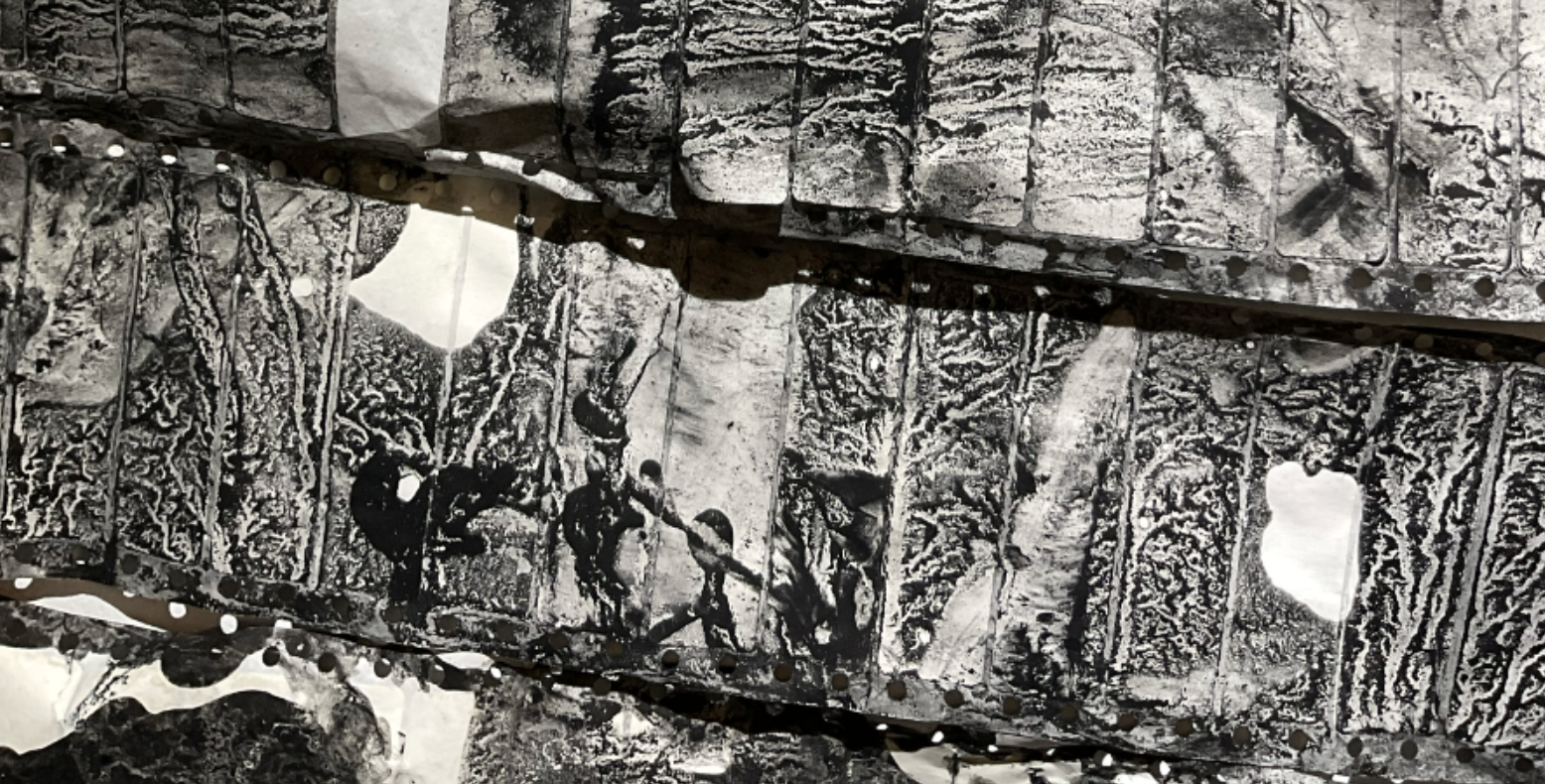
Highpoint Center for Printmaking opened in 2001 as the first community-based printmaking cooperative of its kind in the Midwest. “Printmaking is quite dependent on equipment,” Josh Bindewald says. “There are workarounds to have DIY setups in your home or in a small space, but much of the equipment is cost prohibitive for an individual artist to underwrite. There was a demonstrated need in the community for a space that people could continue to practice this art form.”
Highpoint meets that need by providing access to equipment and technical knowledge. “The arts and printmaking have a pretty sketchy history of not being inclusive,” Bindewald says. “People generally come to printmaking through academic programs, higher education, so if you're somebody who didn't go to college, there's a good chance you never even had the opportunity to make a print.”
Highpoint designs its programming to respond to community interest and intentionally builds a space where printmakers can collaborate and learn together. “Minnesota is extremely supportive of the arts,” Bindewald says. “I think that's one of the reasons why the idea of High Point was not a pipe dream; it was able to be acted upon.”
The same year Highpoint opened, 2001, Suzy Greenberg started the Soo Visual Arts Center. “She took the risk of opening a space that actually would exhibit things in a nontraditional sense,” says Alison Hiltner, SooVAC’s associate director.
Greenberg died in 2012, but the spirit of her curatorial practice continues to this day. SooVAC is funded by grants and donations, allowing room to focus on aspects of artmaking besides just commerce. One artist currently showing work as part of SooVAC’s Untitled20 exhibition, Aja Bond, is growing live organisms and showing off bioplastics. “It is a real, living, breathing kind of piece,” Hiltner says. “We like that. We want people to have a home for that.”
The desire to support local artists’ practice also informed Ryan Fontaine and Kristin Van Loon when they opened the Hair and Nails Gallery in 2016. At first, the space was dedicated to their own work; they now show and represent a roster of 19 artists. Hair and Nails supports its artists by archiving art pieces, storing work, hiring writers to promote exhibitions, and meeting with collectors and curators.
“We're trying to cultivate careers for these artists,” Fontaine says. “There's not many artists that are just able to be in the studio making art and pay their bills. And we like that idea. So to that extent, we are trying to do things like sell art. We think that's a great way to fund a career.”
Fontaine and Van Loon opened a second location in September 2024 on Manhattan's Lower East Side. “It can feel like a bubble being in the Midwest,” Fontaine says. “It's outside of the focus of the bigger international art conversation. One of our motivations is to bring amazing artists into that conversation by showing their work in New York or in other cities by doing art fairs. And it's been really successful.”
In 2019, Emma Beatrez and Lee Noble, two Twin Cities MCAD grad students at the time, also noticed a need for spaces that showed art they care about. “When we moved into a house in 2020, a lot of art spaces had closed,” Noble says. “We had a big window in our house and we were like, ‘we could show paintings in our window.’ So we just started doing shows in our living room.”
Soon, the art-study group grew to become the full-fledged third-space Night Club Gallery. Night Club has since occupied two successive spaces in St. Paul, including being matched with a vacant space downtown subsidized by the Downtown St. Paul Alliance.
Night Club Gallery is a manifestation of what two artists wanted out of the Twin Cities art landscape and their ability to make that vision real. “You just want to add and help that conversation out,” Noble says. “I want to have an effect on it. I’m interested in where this scene is going, so okay, here’s a space. I want to see more of this in the art that’s around here, so what if I invite that artist that I love and show them here?”
After closing their most recent location on Rice Street on Saturday, February 28, Night Club Gallery is now on the hunt for the next home for participating in the Twin Cities art conversation and its national and international counterparts.
After Hours, located on Snelling Avenue in St. Paul, showed its first official exhibition in 2025. The gallery’s aim is to make high-quality art exhibitions accessible to emerging artists and casual art enjoyers. “We want artists and curators to keep developing their practice,” gallery director Jamie Owens says. “We want them to get better, you know. We want to develop better artists.”
After Hours Gallery will end its winter hiatus on March 28, reopening with its first exhibition of 2026, Kill Kill Telephone, a series of experimental multi-media pieces made by local artists Lisa Kill and Matt Reimers Kill.
“When there’s a gallery space that’s gonna put on their work, there’s less barrier to entry to go and see this artist’s work and experience it the way it’s supposed to and potentially fall in love with it and purchase it, too,” Anthony Reamer says. “The lucky chance that you get a sale is really just to keep your studio practice sustainable. Selling a painting will provide sustainability in the short term, but it runs out fast. Growing a community of artists and people who support each other provides sustainability for life.”
Kill Kill Telephone Opening Reception
Where: After Hours Gallery, 251 Snelling Ave. S., St. Paul
When: Saturday, March 28, 6-9 p.m.
Tickets: Free; more info here