

The following is a joint letter authored by Minnesota-based LGBTQ+ organizations and political leaders in response to the recent farewell article from Lavender magazine. The views expressed are their own.
It wouldn’t be Pride month without a little community drama.
We learned this week that Lavender magazine’s leadership decided to end their run after 31 years. We thank those contributors who have done good work through Lavender, but we would be doing our communities a disservice if we didn’t address their ahistorical statements.
Let us correct the record.
It’s true that in 1995, when Lavender magazine was established, we still had significant work to do on the legal rights of LGBTQ+ people in our state.
But far from having “virtually no” rights in our state as they claim, gay Minnesotans—and in fact all LGBTQ+ Minnesotans—had won critical gains here in Minnesota.
In 1995, Minneapolis had just reached the tremendous milestone of 20 years of fully inclusive non-discrimination protections in the city. St. Paul restored its non-discrimination protections for LGBTQ+ people in June 1990, after a previous ordinance was repealed by voters in 1978. Voters later defeated an attempt to overturn these newly reinstated protections in November 1991. And thanks to the work of pioneers like Allan Spear and Karen Clark, our state was the first in the nation to have fully inclusive protections in law in 1993.
It’s true that the Obergefell decision in 2015 was a joyous moment of celebration for so many of us.
But it’s also true that it was a hard-fought win secured by those who led boldly and organized in community even when it wasn’t a popular position. We note that Lavender magazine itself platformed opposing viewpoints and stood in the way of the work of same-sex marriage equality here in the state of Minnesota during the challenging fights led by the Minnesotans United campaign, the defeat of the constitutional amendment seeking to ban marriage equality, and the passage of our state’s same-sex marriage equality law in 2013.
And far from finished, these fights continue, as was made so plain in 2022 as the Supreme Court stripped away constitutional rights to bodily autonomy in Dobbs. There, conservative justices used the platform to openly invite future challenges to Obergefell.
It’s true that many of our rights have been written into law.
But it’s also true that our LGBTQ+ rights are far from “uniformly achieved and systematized,” when we still lack comprehensive federal non-discrimination protections, when a drive across this country is a drive across a patchwork of mismatched laws, protections, and recognitions, when, within the last year alone, the Supreme Court has sided with parents seeking to remove LGBTQ+ stories and perspectives from public school classrooms and has further eroded
hard-fought protections against the harmful practice of conversion “therapy."
It's true that the ability of LGBTQ+ people to live fully and authentically as ourselves has grown immensely over the three decades that Lavender has published, and that both the cultural and legal landscape have improved in meaningful ways.
But it’s also true that the vast majority of our communities still regularly worry about our physical safety, our economic opportunity, our housing, and our basic rights. These concerns have only grown since the 2024 election. A majority of LGBTQ+ Americans report negative feelings of well-being, LGBTQ+ students in Minnesota still face the highest rates of school bullying of any demographic group in the state, and outright discrimination and violence particularly against transgender and BIPOC members of our communities have grown significantly in a climate where our rights and our bodies are under literal attack.
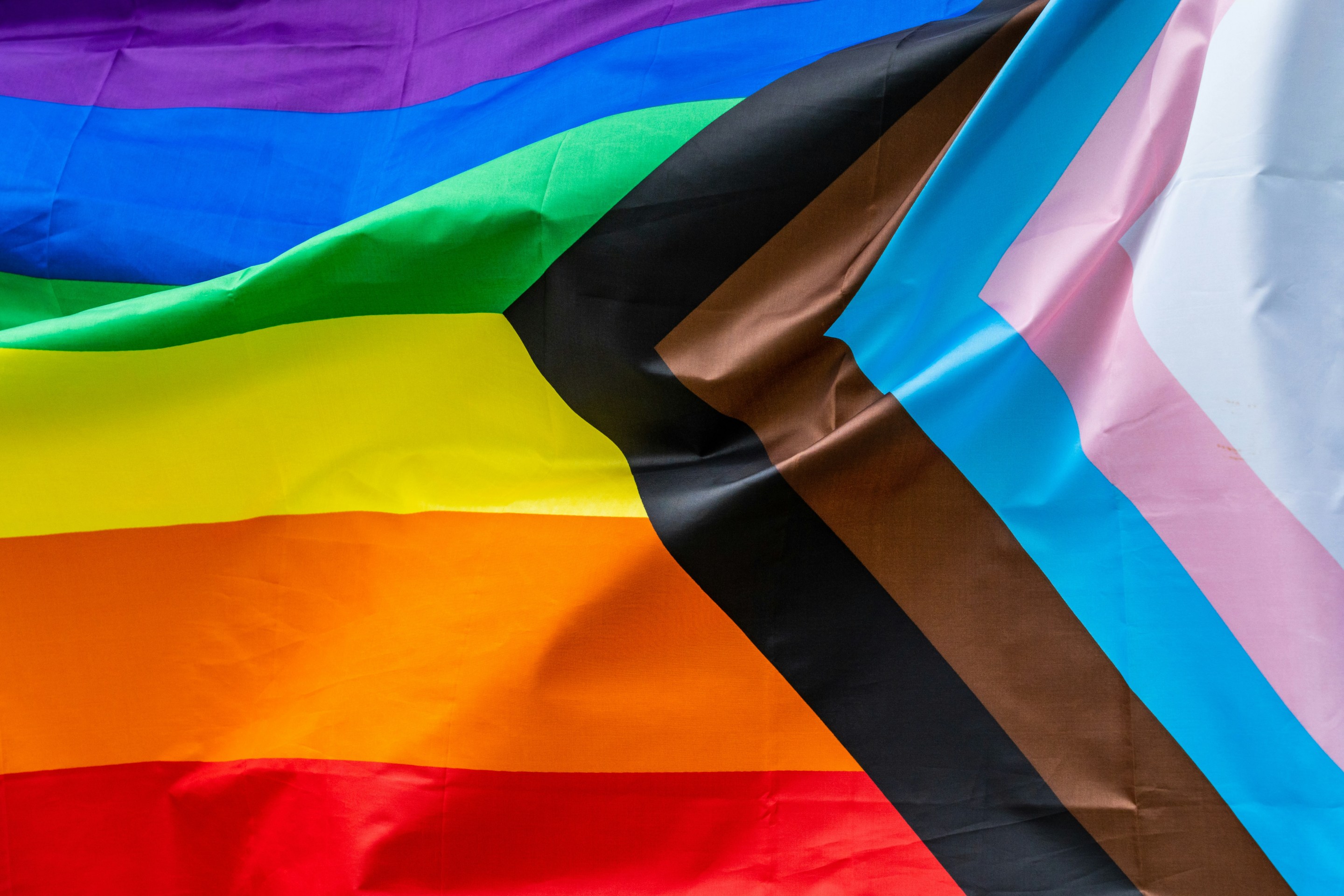
Not all of us can walk into anywhere in the state or this nation and feel welcomed, let alone safe. Across the country, hundreds of bills are introduced every year that target LGBTQ+ people—and especially transgender people and young people—for exclusion, discrimination, and harm. Local governments ban Pride flags from public buildings. School boards remove affirming books and curricula, silence teachers, and cut off LGBTQ+ children from the support and affirmation they need to grow up secure in the knowledge that they are loved, valued, and wanted.
Today, the machinery of the federal government has increasingly been directed toward denying LGBTQ+ people equal treatment under the law. Transgender Americans are being driven from military service, decades of federal leadership and support for people living with HIV/AIDS have been dismantled, and agencies across the federal government have been repurposed to erase recognition of our identities and our rights.
It’s true that history will not stand still.
But here as we approach our nation’s 250th it’s clear that our nation’s path does not inevitably move towards greater freedom and equality; and that our lofty promises as a nation are fully felt by too few of us. Our democracy is only as strong as our commitment to sustaining it—not as a dusty relic—but as a living, breathing, and evolving practice that must better reflect and include all of us.
We have not yet arrived.
In fact, for many LGBTQ+ Americans, the struggle for equal citizenship is not simply unfinished—it has entered a dangerous new chapter.
Opponents of LGBTQ+ equality are coming for all of our wins and for all of us. The current attacks on trans people and on immigrants and refugees are not the end goal of opponents of equality, they are the starting point. And they are part of a larger project to erode freedom, democracy, and the wins that generations of advocates across movements have worked for.
Now, more than ever, we need everyone in this work together.
This Pride, as we spend time in community; we reflect on those who we have lost this year to the violence perpetrated against our communities by our own federal government. Those families and individuals who have been stolen away from our state. Those who have risked their own personal safety to stand bravely with all their neighbors in our shared communities. And all those who continue to work for our rights, our communities, and our shared future.
Lavender can choose to call it quits.
But we’re not.
We hope you’ll stand with us. All of us.
Happy Pride.
Kat Rohn, Executive Director, OutFront Minnesota
Hannah Edwards, Executive Director, Transforming Families
Rox Anderson, RARE Productions, Our Space, MTHC
Megan Peterson, Executive Director, Gender Justice
Nicki Hangsleben, Executive Director, QUEERSPACE Collective
Andi Otto, Executive Director, Twin Cities Pride
Aaron Zimmerman, Executive Director, PFund Foundation
Senator Scott Dibble
Senator Erin Maye Quade
Senator Clare Oumou Verbeten
Representative Sydney Jordan
Representative Athena Hollins
Representative Heather Keeler
Representative Brion Curran
Representative María Isa Pérez-Vega
Representative Liish Kozlowski
Representative Leigh Finke
Representative Liz Reyer
Representative Jess Hanson